
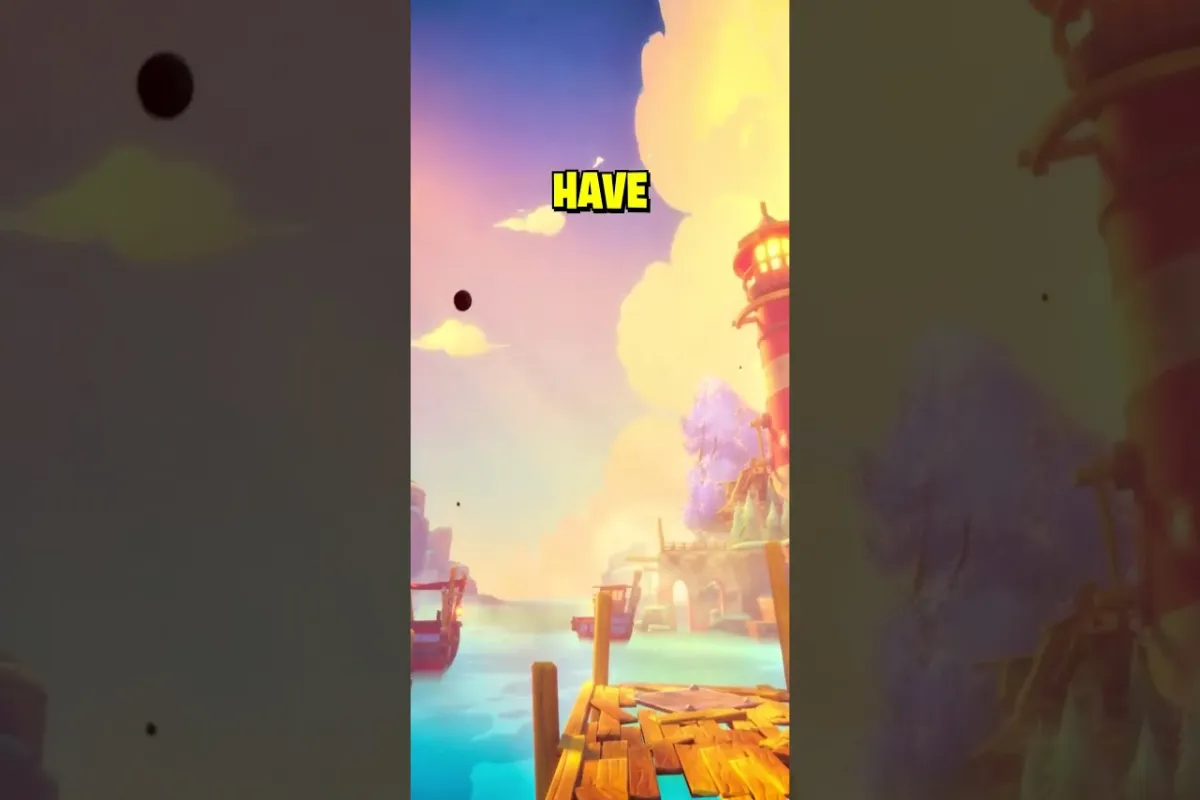
What Clockpunk Means in Duskfade's World
Duskfade's setting lives and breathes through the lens of Clockpunk, a subgenre that swaps coal-and-steam realism for ornate brass, frozen clock faces, and machinery powered by time itself. Within Duskfade Clockpunk world lore, the entire continent is built around the assumption that time is a harvestable resource — something you can mine, polish, and fit into the mainspring of an empire. The result is a world where cathedral towers double as escapements, where commoners wear pocket-watch charms as religious tokens, and where the skyline of every major city hums with the constant ticking of the Grand Pendulum.
The genre's reach in this game goes beyond cosmetic set dressing. Almost every faction's political legitimacy depends on how well its engineers can harness the Eternal Gears, the mythical mechanisms that supposedly keep the world turning. When those gears stall, history stalls with them — and the entire narrative tension of the game emerges from characters trying to decide who deserves to wind them back up. Players stepping into the game for the first time should pair this deep-dive with the broader Duskfade lore guide so the visual symbolism lines up cleanly with the larger story arc.
| Element | Clockpunk Convention | Duskfade's Twist |
|---|---|---|
| Power Source | Steam or coal | Harvested time, melted into liquid brass |
| Currency | Coins / paper | Time Mechanism shards and minted cog-tokens |
| Aesthetic | Industrial soot | Polished bronze, stained glass, exposed escapements |
| Conflict Trigger | Resource wars | The Clock Strike — a synchronized shutdown of every mainspring |
| Magic Equivalent | Alchemy | Memento Mori Engine rituals that burn a user's remaining lifespan |
This table matters because most players only notice the brass plating before realizing that the entire economy, religion, and military doctrine of Duskfade's nations are tied to timekeeping. By the second chapter, every gear you pick up is no longer loot — it is political fuel.
The Aesthetic and Engineering Pillars
Gears, Cogs, and the Escapement Aesthetic
The most visible layer of Duskfade Clockpunk world lore is mechanical ornament. Streets are paved with interlocking cog-plates, rooftops are crowned with spinning escapement wheels, and even the Timepiece Districts in major cities are arranged so that every clock tower rings in staggered sequence rather than unison. According to the official Duskfade Xbox Wire announcement, the team deliberately chose this staggered ringing so players can navigate by ear alone, which doubles as one of the earliest worldbuilding lessons the game teaches without a single line of dialogue.
The Bronze Atelier is the in-universe guild that designs most of these installations. Every tower, gear, and mainspring they craft bears a stamped insignia that players can collect across the campaign. Looking for the insignia is also a practical way to learn the geography of each region, because the guild only stamps landmarks it considers culturally significant.
Steam, Brass, and Bronze — and Why There Is No Coal
Unlike the more familiar steampunk template, Duskfade's engineers never adopted coal mining at scale. Historical in-game documents — which players can find in the Cogwheel Temples of the southern provinces — explain that the Iron Cog Republic once experimented with coal-fired furnaces during the Gear Wars, only to discover that soot gummed the delicate escapements of the Eternal Gears. The Republic pivoted to brass-and-bronze foundries powered by steam, then later to the now-iconic liquid-time reactors that drive the Memento Mori Engine.
The pivot is one of the cleanest examples of how Duskfade Clockpunk world lore refuses to mimic its genre cousins. The world runs hot, but it runs clean — which makes the eventual Broken Hands catastrophe feel that much more tragic, since the engineers had spent centuries perfecting an industrial model they assumed could not fail.
The Clockpunk Nations and Their Histories
The Iron Cog Republic
The Iron Cog Republic is the political powerhouse most players encounter first. It rules the central industrial belt, controls the densest cluster of Timepiece Districts, and is led by a parliamentary guild of master engineers. Its citizens are clockwork conscripts who learn to read the language of escapements before they learn to read letters. According to the Duskfade Steam page, the Republic's storyline is also the most mechanically heavy, since the player character's early quests literally involve turning gears by hand to keep the city of Brasshold operational.
The Bronze Atelier
If the Republic is the muscle, the Bronze Atelier is the soul. This independent guild of artisans, architects, and engravers holds no territory but supplies every nation with ceremonial gearwork. Their hidden campus, accessible only through a puzzle sequence in the Verdant Cogs region, is the single largest repository of Duskfade Clockpunk world lore that the player can read in physical form — murals, etched ledgers, and animated clockwork dioramas that summarize two centuries of mechanical history.
The Hourglass Coalition
The Hourglass Coalition is the southern alliance that resisted full industrialization on religious grounds. They still use spring-wound timepieces instead of liquid-time reactors, and they treat the Eternal Gears as sacred relics rather than machines. Their capital, the Steam Quarter of Olvenreach, is a study in contrast: ornate steam calligraphies next to pristine brass facades, all coexisting with neighborhoods where the clocks are deliberately allowed to run backward.
| Faction | Power Base | View of Time | Relationship to Eternal Gears |
|---|---|---|---|
| Iron Cog Republic | Industrial might, parliamentary rule | Time as resource | Owners and operators |
| Bronze Atelier | Cultural authority, artisan guilds | Time as art | Custodians and chroniclers |
| Hourglass Coalition | Religious legitimacy, southern farmlands | Time as sacred breath | Pilgrims and protectors |
Players who want to understand the political geometry of the era should consult the broader Duskfade Master Clockmakers lore article, since the Master Clockmakers are the shadowy third faction that pulls strings across all three of these nations.
Pivotal Events That Forged the Era
The First Clock Strike
The Clock Strike is the founding myth of the entire Clockpunk era. When the original engineers fired up the first Memento Mori Engine, every clock in the world stopped for exactly thirteen seconds — long enough for the founders to read the symbolic alignment of the Eternal Gears, then resume. That synchronized pause is commemorated every year, and Duskfade Clockpunk world lore uses the Strike as a recurring motif: every time a city falls silent, characters wonder whether history is repeating itself.
The Gear Wars
The Gear Wars were a century-long conflict fought between the Republic and the Coalition over access to the southern gear fields. Players encounter wreckage from this war throughout the Verdant Cogs region, and many of the late-game crafting recipes can only be unlocked by reverse-engineering abandoned war-gear. The wars also explain why so many of the Eternal Gears are buried — the Coalition deliberately entombed several during the final retreat to keep them out of Republic hands.
The Long Pause
The most haunting historical event is the Long Pause, a seven-year span during which the Eternal Gears refused to turn. Civilizations collapsed, crops failed, and entire cities migrated underground into the Cogwheel Temples. The Pause ended only when a renegade group of Master Clockmakers sacrificed themselves to restart the mainspring, an event players experience as a flashback dungeon late in the game.
| Event | Approximate In-Game Date | Trigger | Aftermath |
|---|---|---|---|
| First Clock Strike | Year 0 of the Era | Inauguration of first Memento Mori Engine | Founding of the Republic and the Atelier |
| Gear Wars | Years 412–488 | Resource dispute over southern gear fields | Treaty of Olvenreach; entombed Eternal Gears |
| Long Pause | Years 503–510 | Catastrophic mainspring failure | Underground migration; rise of the Broken Hands cult |
| Second Wind | Year 511 onward | Sacrifice of the Master Clockmakers | Modern Clockpunk age begins |
Symbolism, Lore Secrets, and Where Clockpunk Leads
Time as Both Resource and Prison
The deepest thread in Duskfade Clockpunk world lore is that time is never neutral in this setting. The Republic treats it as capital. The Atelier treats it as art. The Coalition treats it as prayer. The Broken Hands — the post-Pause doomsday cult that appears late in the story — treat it as a debt the world owes them. Every faction, including the Master Clockmakers, agrees on only one thing: time is finite, mechanical, and can be stolen.
This symbolic framework bleeds into gameplay as well. Players who hold onto time-mechanism shards without spending them will notice their gear's idle animation begin to stutter, a visual cue that hoarding time has in-world consequences. Conversely, players who spend shards aggressively unlock faster crafting but trigger dialogue lines about wasteful living. Neither choice is labeled "correct," because the game's Clockpunk worldview rejects the very concept of a neutral use of time.
Lore Threads Players Frequently Miss
Several recurring symbols appear in environmental storytelling that newer players often overlook. The Lament of Gears is a choral song etched into brass plaques across the world; its verses correspond to the dates of the Gear Wars. The Grand Pendulum motif — a single oversized pendulum swinging in every major city — is a direct reference to the Long Pause, because each pendulum is sized to match the height of the original mainspring tower. Finally, the Memento Mori Engine iconography (skulls woven into brass filigree) marks every structure where someone gave their lifespan to keep the gears turning, and finding these markers unlocks one of the game's most difficult endings.
For newer players who want the mechanical basics before chasing these lore details, the Duskfade beginner guide is a smart companion, since several of the cultural markers above are only readable once the player has unlocked the in-game lexicon. If you would rather skip straight to the practical shortcuts that let you reach the lore-dense regions faster, the Duskfade tips and tricks walkthrough covers the farming routes and crafting shortcuts used by experienced lore hunters.
| Symbol | Where It Appears | In-Universe Meaning |
|---|---|---|
| Lament of Gears | Brass plaques across the south | Memorial to the Gear Wars dead |
| Grand Pendulum | Every capital city's central square | Echo of the Long Pause mainspring tower |
| Memento Mori Engine iconography | Temples, dungeons, hidden shrines | Marker of lifespan sacrifice |
| Broken Hands sigil | Late-game cult hideouts | The cult that believes time was stolen from its followers |
Taken together, these symbols form a layered narrative that rewards careful exploration, because the game's lore is built as much through environment as through dialogue. Clockpunk, in Duskfade, is not just a visual choice — it is the philosophical engine that drives every faction, every conflict, and every ending the player can reach.
What Clockpunk detail are you most curious to dig into next — the politics of the Iron Cog Republic, the symbolism of the Grand Pendulum, or the hidden endings tied to the Memento Mori Engine?
Frequently Asked Questions
What is Clockpunk in Duskfade?
Clockpunk in Duskfade is the game's signature subgenre, where time itself is treated as a harvestable resource that powers machinery, currencies, and religion. It blends ornate brass aesthetics with a narrative where every faction is fighting over who gets to wind the Eternal Gears.
Where do I start learning Duskfade Clockpunk world lore in-game?
Begin in the Bronze Atelier district of Brasshold, then follow the Timepiece Districts questline south into the Verdant Cogs. Most of the earliest lore collectibles are placed along this path, and the regional Codex entries unlock automatically once you examine the first engraved plaque.
Why did the Iron Cog Republic avoid coal power?
Republic engineers discovered during the Gear Wars that coal soot gummed the Eternal Gears' delicate escapements. They pivoted to liquid-time reactors and clean steam, which is why the Republic's industrial zones look polished instead of grimy.
Are the Eternal Gears real machines or symbolic?
Both. In-universe they are mechanical devices large enough to power entire nations, but in the meta-narrative they symbolize how every culture tries to control time. Players who find all the hidden Eternal Gear shrines unlock the Second Wind ending.
Does understanding Clockpunk lore affect gameplay?
Yes. Players who complete the Codex entries about the Memento Mori Engine and the Long Pause unlock crafting recipes that reference those events, plus two unique dialogue branches that can only be triggered by quoting the Lament of Gears to specific NPCs.